

Birds, Bees, & Butterflies
Birds, bees, and butterflies have several things in common – they all depend on native plants, they play an important role in pollination, and all face increasing pressures from loss of habitat, diseases, and non-native invasive competitors. But there are things we can do to help! One of the most important is to add native plants to our gardens and landscapes.
The Mississippi Headwaters Audubon Society, Bemidji Monarch Project committee and several other local organizations and businesses have joined together in a campaign called "Birds, Bees & Butterflies - Bemidji" to promote the planting of native trees, shrubs, grasses, and wildflowers in our community to benefit birds and pollinators. By planting a native plant garden, or just adding native species to your existing landscape, you can attract colorful birds and pollinators to your yard or business.
BBBB Partners have included: Mississippi Headwaters Audubon Society, Bemidji Parks and Recreation Dept, Bemidji Garden Club, Bogs & Logs - MN Master Naturalists, Beltrami County Master Gardeners, Beltrami Co Soil & Water Conservation District, Bemidji State University, MNDNR - Lake Bemidji State Park, Leech Lake Tribal College Extension Service & Community Education, Hills Country Greenhouse, Nature's Edge Garden Center, Ace on the Lake Hardware
Get Started With Native Plants
Localized Information:
BBBB Partners created a brochure about native species to plant in the Bemidji area to benefit birds and pollinators. It is available at local garden centers. A more comprehensive list of native wildflowers, trees, and shrubs plus additional helpful information can be found by clicking the "Get Started" button below.
Take a Self-guided tour of Bemidji Native Plant Gardens from home, or download the map, click on the QR code and get detailed information and pictures as you visit each site.
BBBB Activities
Top 10 Native Plants
Each year, Birds, Bees & Butterflies - Bemidji highlights 10 native plants which attract birds and pollinators to your yard. Check out our Top 10 Native Plants from 2018 , 2019 , 2020, 2021, 2023, 2024, and 2025.
Native Plant Gardens
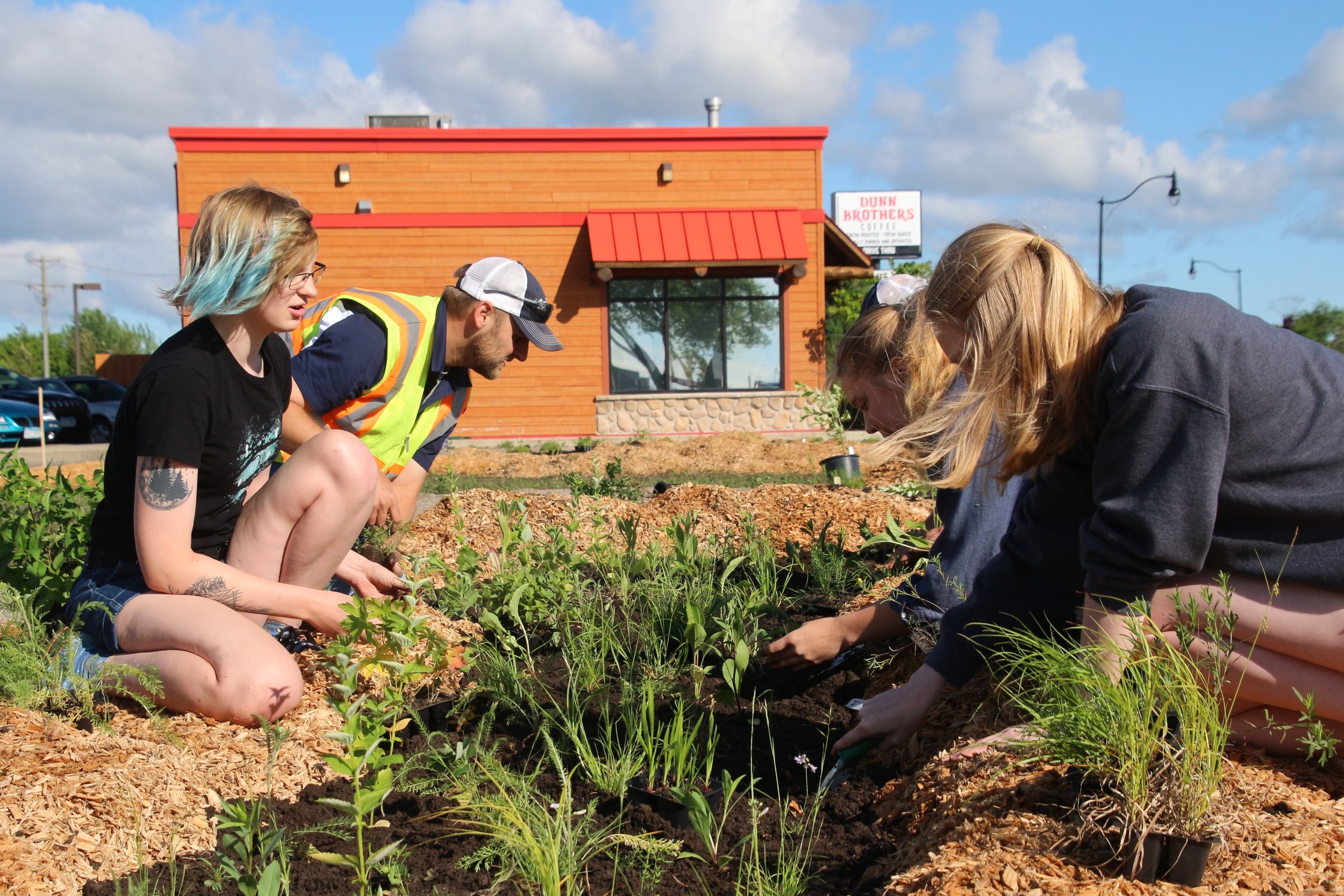
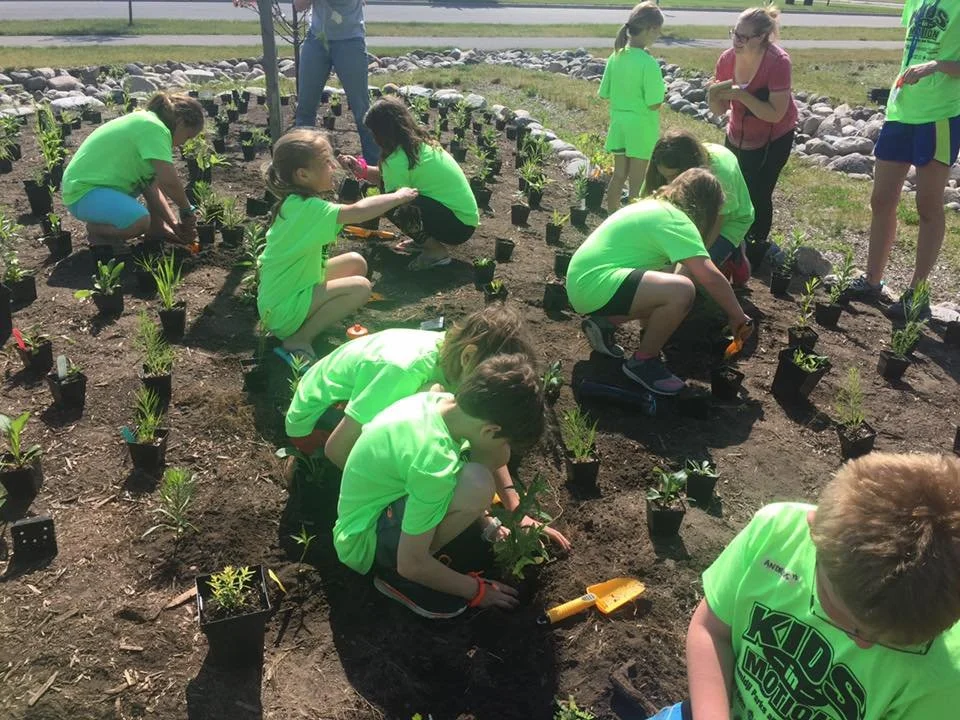
Since 2017, BBBB Partners have collaborated on over a dozen pollinator plantings: City Hall, Watermark Art Center, Bemidji Library, Beltrami County History Center, North Country Park, Lincoln School, Middle School, Cass Lake-Bena School, Leech Lake Tribal College, Bemidji State University campus, former Kummer landfill site, and others.
Workshops
BBBB has conducted a half dozen workshops for residents & businesses on how to incorporate native plants into their yards and landscapes
Community Outreach
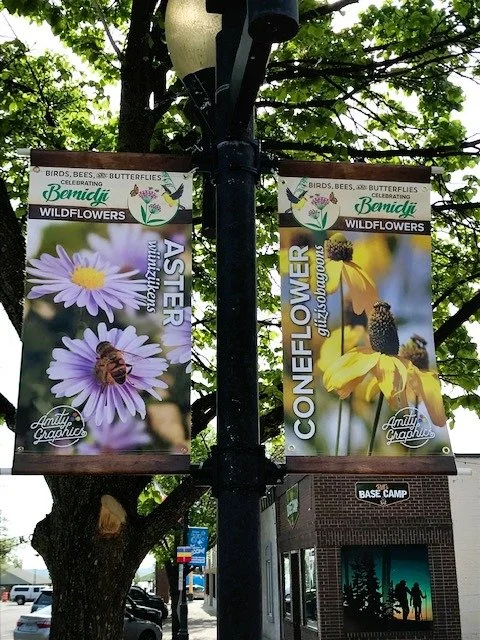
Developed locally relevant information brochures, flyers, and interpretive signage at plantings. Held informational events & celebrations, including an annual Monarch Butterfly Festival. Designed and put up “Celebrate Bemidji Wildflowers” light post banners around town. Worked with the City of Bemidji to initiate ‘No Mow May’. Posted a virtual native plant garden tour so visitors can see these plantings and hopefully inspire them to try one themselves. A map of is also available
Each year we look for additional ways that we can promote the benefits of native plants in our community.
Note on Ojibwe plant names:
Birds, Bees & Butterflies - Bemidji includes Ojibwe language names along with the common and/or scientific names of plant species in some of our materials. Bemidji is at the center of Minnesota's three largest Indian tribes: Red Lake Nation, White Earth Nation, and Leech Lake Band of Ojibwe. More than 200 business, schools, and offices in the Bemidji area post bilingual signage in English and Ojibwe as part of the 'Ojibwe Language Project'. A good resource to consult for Ojibwe plant names and uses is "Plants Used by the Great Lakes Ojibwa", Great Lakes Indian Fish & Wildlife Council. The Leech Lake Band has a ‘Field Guide and Journal’ with local Ojibwe names of plants and animals. We have also been assisted by Dr. Anton Treuer, Professor of Ojibwe Language at Bemidji State University with selecting appropriate Ojibwe plant names.